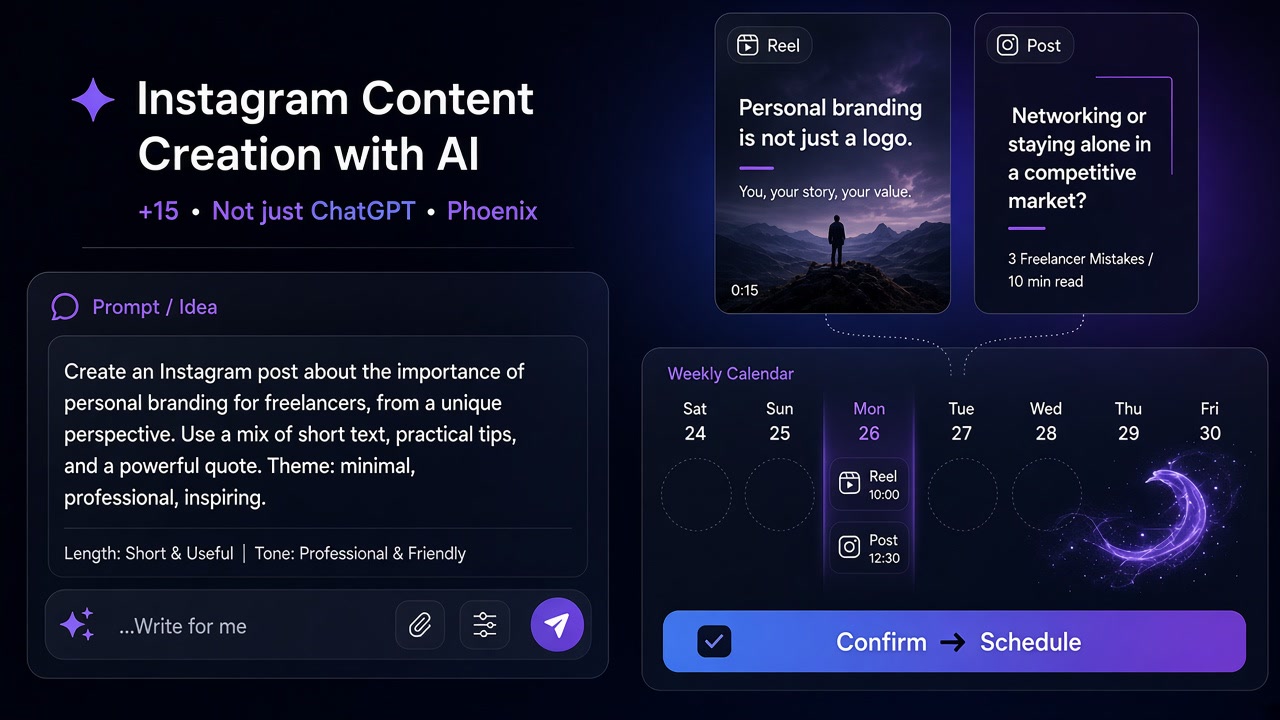
In August 2026 Buffer became a first-party connector inside Claude. You add a custom connector pointed at the Buffer MCP server, sign in with Buffer, and the same conversation can draft, inspect the queue, reshape a post for another network, pull analytics, and drop work into Ideas. Claude Code uses the HTTP MCP add; the browser and desktop apps use the Connectors panel.
The reach is Buffer’s eleven channels: LinkedIn, X, Instagram, Threads, Facebook, TikTok, Pinterest, YouTube, Bluesky, Mastodon, and Google Business Profile. One prompt can ask what is scheduled this week, rewrite a LinkedIn update for Threads, and queue both. You do not paste between tabs. You also do not give Claude a raw publish token for each network.
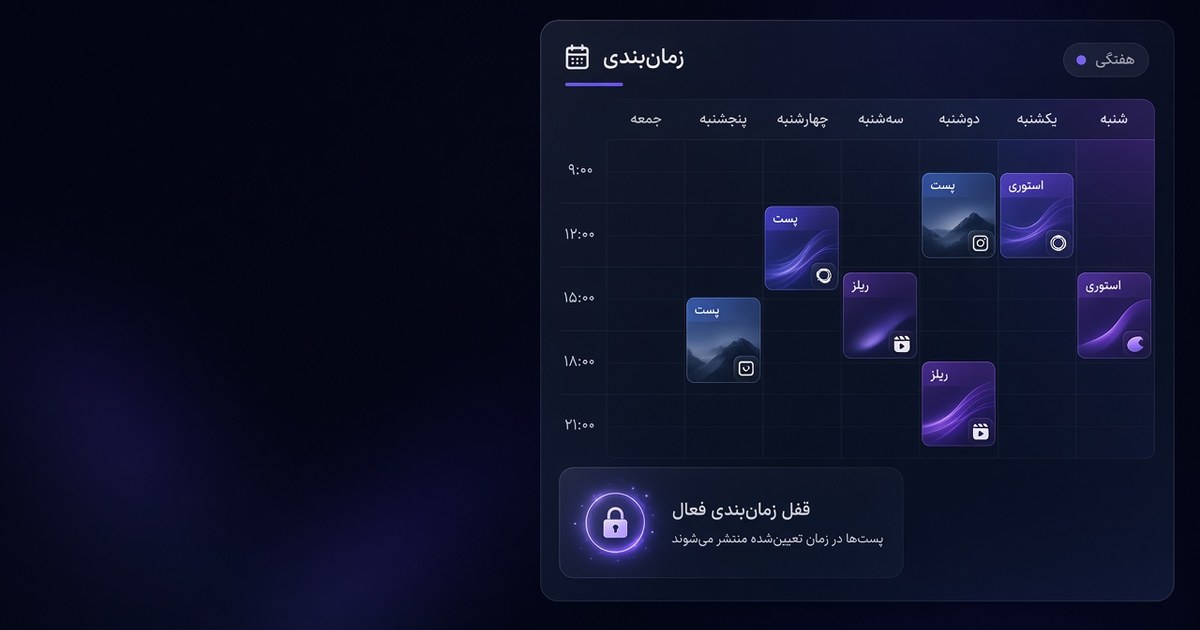
Buffer’s stated rule is that Claude is not the last step. Posts created through the connector land in Buffer as drafts or scheduled items. You and anyone else on the Buffer team can edit them before they go out. That is the difference between “an agent posted to X” and “an agent filled a queue you still own.” If you need a harder gate, keep the items as drafts and require a human click to schedule.
Setup is short: Connectors, add Buffer, approve access. Then start from a concrete ask — top posts this month, gaps in next week’s calendar, three variants of a URL — and look at the Buffer queue before you walk away. The connector is useful because it is boring: same channels, same review surface, a model that can write without becoming the publisher of record.