# Buffer alternative 2026: AI-first vs classic schedulers
“Buffer alternative” in 2026 is not a synonym for “cheaper queue.” Buffer is still great at simple scheduling. Teams look elsewhere when creation, language, analytics, or billing sit outside that queue—and the copy-paste tax between chatbot, design tab, and publisher starts to dominate the week.
This piece stays fair: it does not trash Buffer. It separates a Hootsuite-class suite from an AI social media scheduler, then shows where ASONET fits for 15+ networks, Nova in-workspace, a bilingual UI, or billing when a foreign card does not. Live table: Buffer alternative compare page.
What “Buffer alternative” means in 2026
A decade ago the phrase mostly meant another publisher: more channels, a nicer calendar, a lower seat price. That search still exists. It is no longer the whole story.
In 2026 the phrase splits three ways:
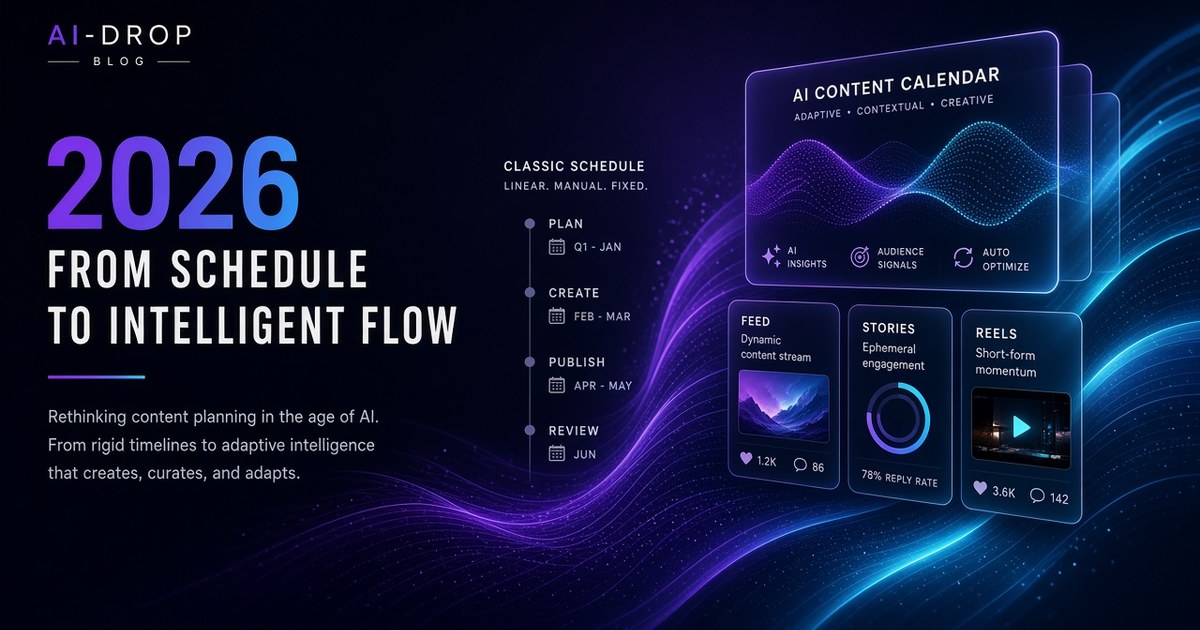
- Another classic scheduler — same job as Buffer: queue finished posts, review, publish. - A heavier social suite — the Hootsuite-class path: inbox, layered approvals, wide reporting. - An AI-first create+schedule tool — drafts, images, and short video next to the calendar, then a human gate.
Payment and locale are part of the definition now, not a footnote. No foreign card means “can we bill at all,” not “prettier queue.” A Persian-first team asks whether the UI and AI drafts match the working language. We invent no search volumes or ranks here—treat the phrase as a decision, not a trophy.
Classic schedulers vs AI-first create+schedule
Classic tools earned trust for a reason. You pick channels, set times, review, and ship. When the creative is already done in another studio, that model is still the cleanest.
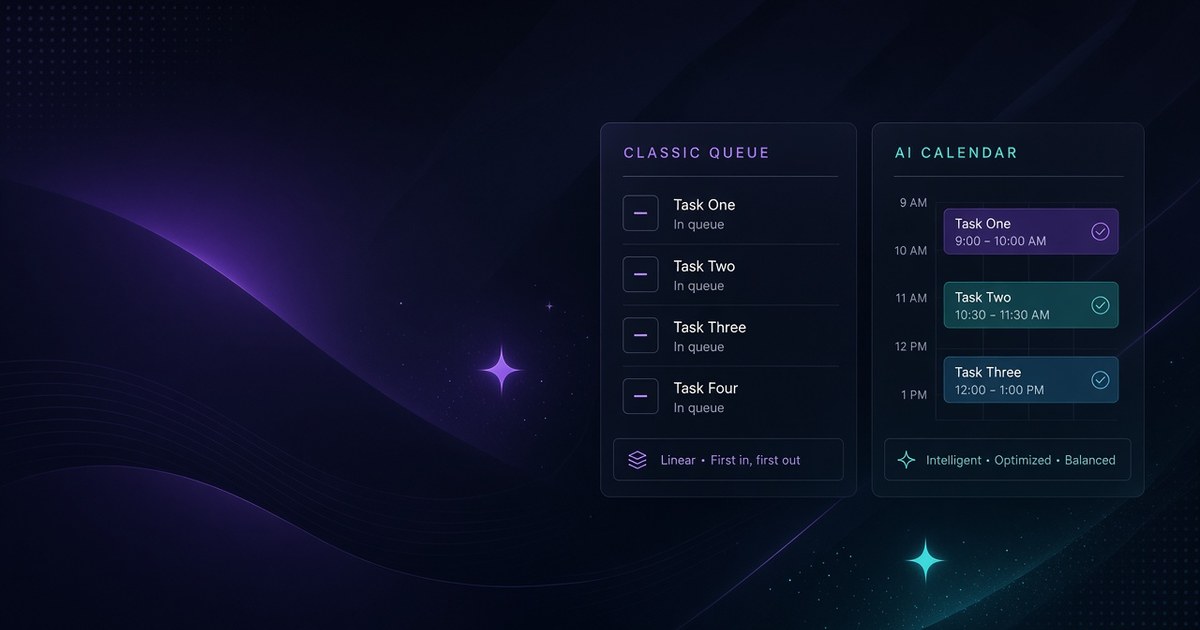
The AI-first model changes the bottleneck. Instead of generating a caption in one tab, exporting a Reel in another, then importing into the queue, the assistant sits closer to the calendar. You still review. You shuttle less.
Fair contrast, not a put-down:
| | Classic scheduler (Buffer-style) | Hootsuite-class suite | AI-first scheduler | | --- | --- | --- | --- | | Strength | Reliable queue and review | Inbox, approvals, org reporting | Draft + image/video in the same flow | | You bring | Finished assets | Team process and client SLA | Brief, brand voice, final taste | | Best when | Design and copy already live elsewhere | Coordination is the constraint | Production hours are the constraint | | Risk if misused | A full queue of thin posts | More process than a small team needs | Publishing unedited AI drafts |
The industry is already moving toward draft-then-review with a human gate. An AI-first product puts more of that creation next to the calendar from day one. For the category primer, see the AI social media scheduler guide—this page is the switching decision.
Feature checklist
Run these in a real trial—not on a marketing table alone.
1. Content-type calendar — Feed, story, Reel/Short as first-class types. 2. Per-network preview — Aspect ratio before the time lock; no blind “post everywhere.” 3. Editable AI captions — Language, length, tone; drafts never auto-publish. 4. In-flow image and short video — Finish the file in-workspace, then schedule. 5. Scripts-to-calendar studio — A real Content Studio takes script → image/video → calendar. 6. Draft vs scheduled states — Incomplete renders stay drafts. 7. Usable analytics — What shipped, where, and which format is worth repeating. 8. Billing that matches the team — Foreign card, or NOWPayments / USDC when the card is the blocker. 9. UI language — English-first only, or Persian-first with a full `/en` mirror. 10. AI inside the plan — Not a surprise add-on per generation feature.
Queue-only with creative outside is still a classic scheduler—and that can be the right buy. Copy help without clean story/Reel scheduling is only half an AI social media scheduler.
When Buffer is still enough
Stay on Buffer when most of this is true:
- Creative is finished in other tools and the queue is the only missing piece. - You run a small set of networks and mixed formats are rare. - The team is English-first and a foreign card (or another working USD path) is not a monthly fire drill. - You want the least new surface area: pick time, review, publish.
That is a good setup. Switching “because AI” while your studio already works just buys a second queue.
When a switch makes sense
Look at an alternative when the week looks like this:
- Captions and short video are drafted in a chat tool, then pasted into the scheduler. - You need 15+ networks on one calendar, with per-network copy—not one caption everywhere. - Analytics should sit next to the same calendar that shipped the post. - The working language is Persian, or the team is bilingual and English-only UI slows review. - Foreign-card billing is the actual blocker, and you need a local option such as NOWPayments / USDC.
A Hootsuite-class move is a different fork: choose it for inbox and multi-step approval, not for faster first drafts. AI-first is for production hours.
How ASONET fits
ASONET is the AI-first Buffer alternative on our compare page: Buffer stays the right simple scheduler; ASONET adds AI writing, image and video, analytics, and payment options that work for Iranian teams.
- 15+ networks on one visual calendar—pick channels one by one, preview, then lock time. - Nova for AI captions, images, and short video in the same workspace (Persian or English drafts you still edit). - Content Studio generates scripts, images, and videos end-to-end, then publishes on the calendar. - Persian-first UI with a full English mirror at `/en`—built for bilingual teams, not a bolted-on locale string. - NOWPayments / USDC billing for teams that cannot use foreign cards. - Analytics in the same product, so next week’s plan is not a guess. - A 10% affiliate program built into the product. - High-level plans: Free, Base, Pro, Business. We are not inventing USDC list prices here; see pricing.
AI sits in the workspace rather than as a per-feature add-on. Free to start, no card, no contract. Test one week: refine assets with Nova, adapt copy per network, lock staggered times. If the loop does not shrink, stay on the classic queue. Short path: Buffer alternative compare, then pricing.
Short wrap-up
A Buffer alternative in 2026 is a workflow choice. Classic schedulers win when assets are finished elsewhere; Hootsuite-class suites win on inbox and approvals; AI-first wins when creation and scheduling must live together—and when language or local billing is part of the constraint. ASONET pairs Nova and Content Studio with 15+ networks, a bilingual UI, and NOWPayments / USDC when that is the gap. Try free, read the live compare page, and keep Buffer if a simple queue is still enough.
FAQ
What does “Buffer alternative” mean in 2026? Either another classic queue, a heavier Hootsuite-class suite, or an AI-first create+schedule tool. Billing, UI language, and in-flow production are now part of the decision—not just channel count.
Is Buffer still good enough? Yes, when creative is done elsewhere and you mainly need a reliable review-and-publish queue. It remains a strong simple scheduler.
How is an AI social media scheduler different? It drafts or finishes captions and visuals with AI, then schedules those posts from the same calendar, with a human approve step. Classic tools mainly queue finished assets.
When should I pick a Hootsuite-class tool instead? When inbox, layered approvals, and org-wide reporting are the constraint. That is a different path from “I need faster Reels and captions.”
How does ASONET fit? ASONET schedules across 15+ networks and uses Nova plus Content Studio for scripts, images, and short video in one workspace. It is bilingual (Persian-first, full `/en`) and lists NOWPayments / USDC billing for teams that cannot use foreign cards.
Do you list exact USDC prices here? No. Plan names at a high level are Free, Base, Pro, and Business. Check pricing for live numbers rather than invented local figures.
Should AI posts publish automatically? No. Keep a human gate. AI speeds drafts; brand voice and risk stay with you.